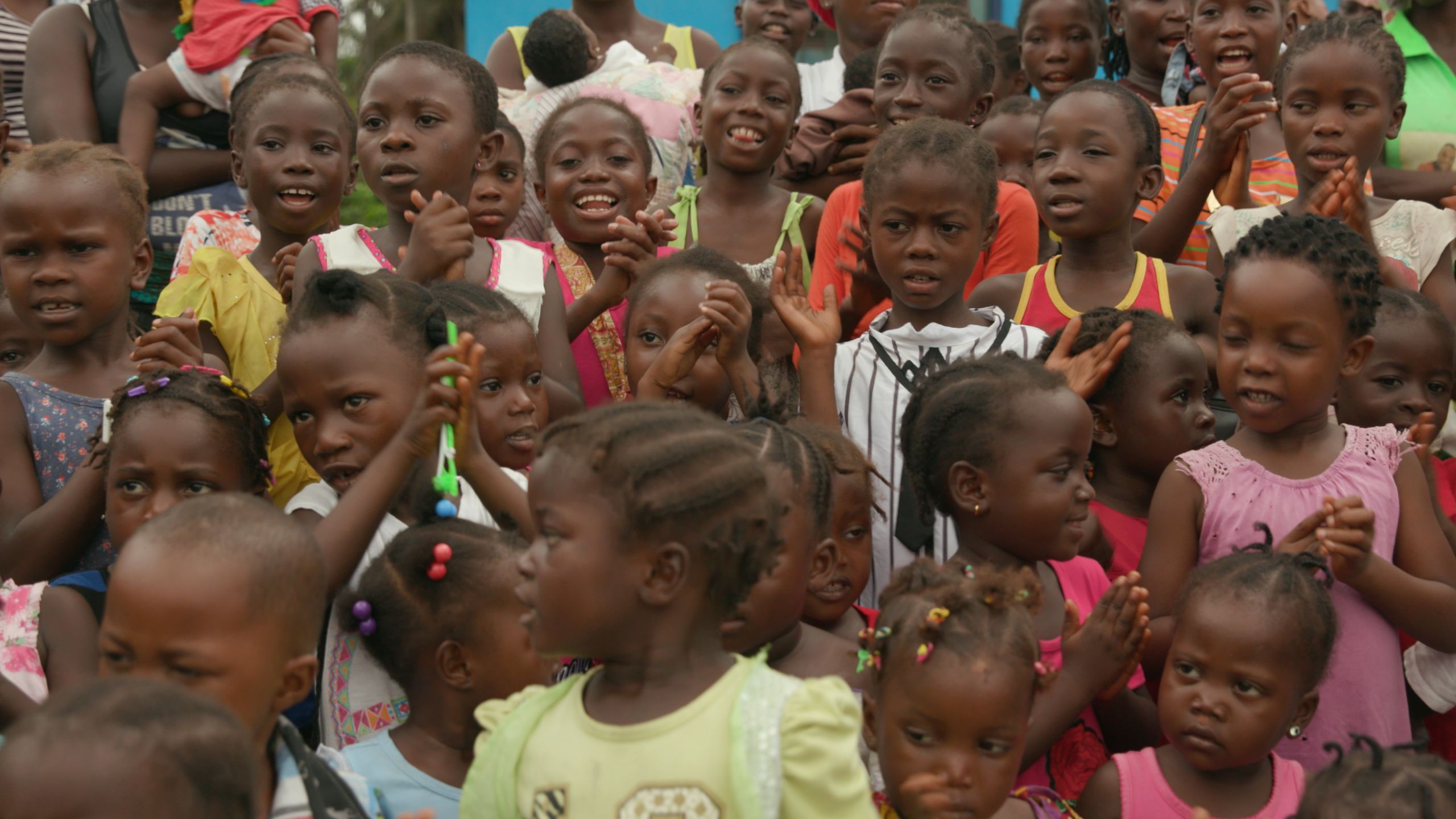
In a Liberian village, over 800 babies have been named in honour of the Save the Children-trained midwife who delivered them.
Alice's story is about love, survival and hope – and the difference one person can make...
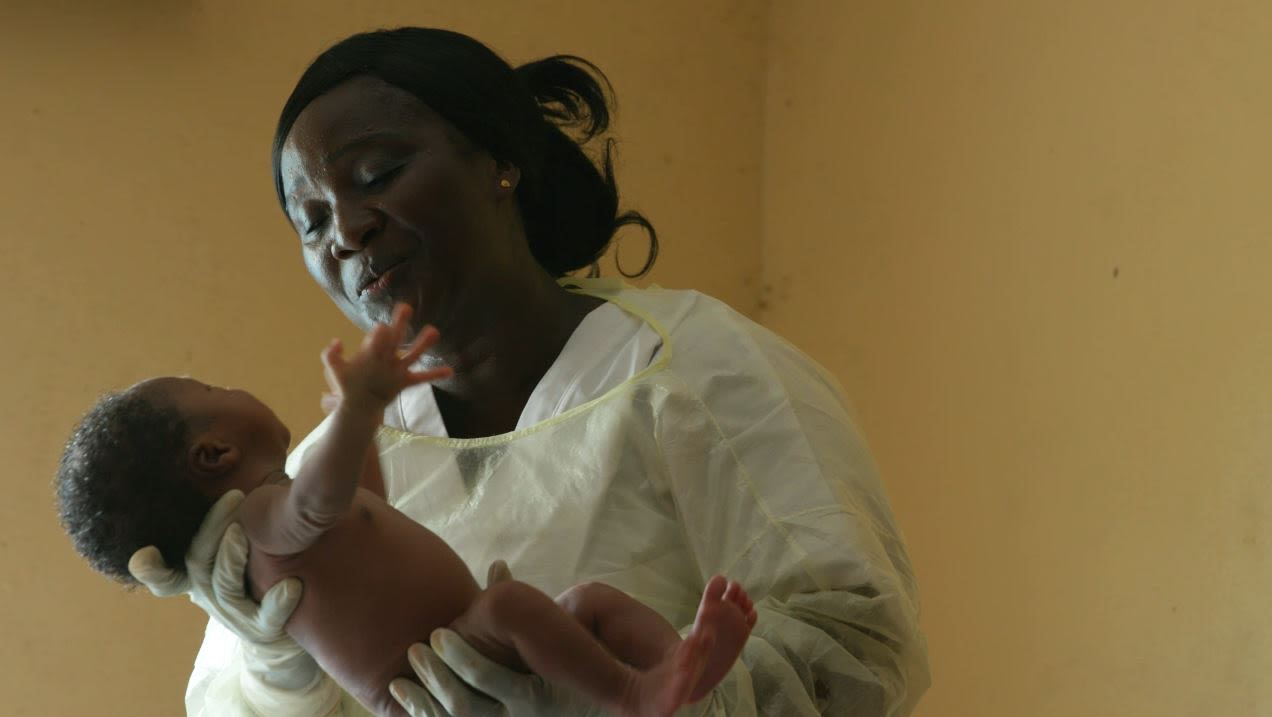
All across White Plains, Liberia, mums are naming their children Alice. Sometimes because they want them to grow up with Alice's drive and success, sometimes because they like what the name represents. But more often than not, it's out of sheer gratitude for the support Alice gave them during pregnancy and the safe delivery of their baby girls and boys (named Alex!).
When Alice arrives at White Plains clinic and she's feeling good, she literally dances through the door.
Alice calls her job 'catching babies' and to say she loves it is an understatement.
"I used to deliver them along the road – I used to call that motorbike my mobile clinic! We called the driver 'Fresh and ready' because he was the only driver in the country who could deliver babies."
When a woman needs her care through the night, Alice sleeps at the clinic.
"Sometimes women just come to my house. Last night, there was no vehicle to take her to hospital, so she had a bouncing baby boy at four o'clock this morning!"
"That might take eight or nine hours, so I take drugs and instruments and some food with me."
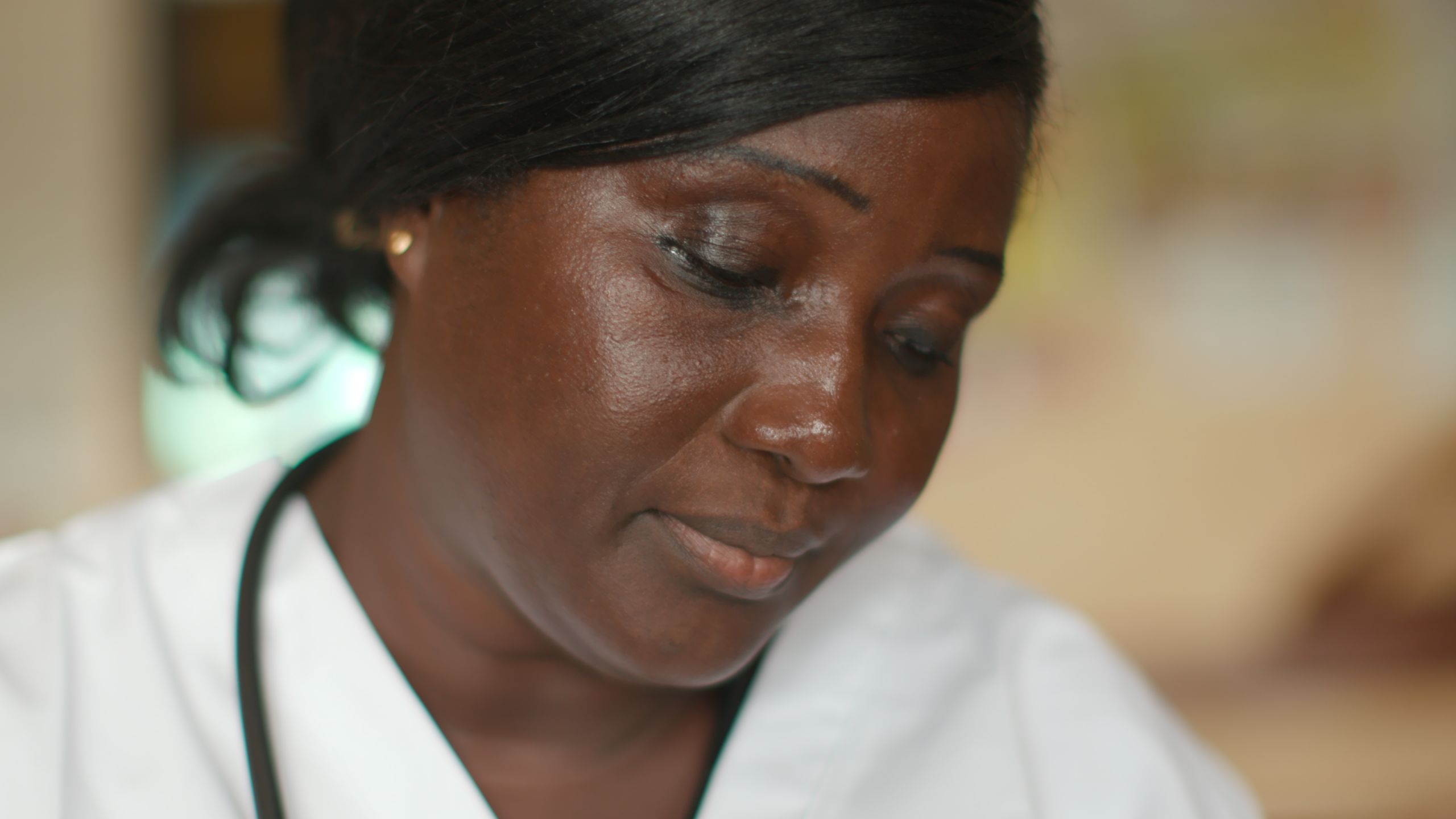
"I was doing deliveries with a telephone in my mouth as a light. Can you imagine? No light? I had a phone in my mouth, doing delivery."
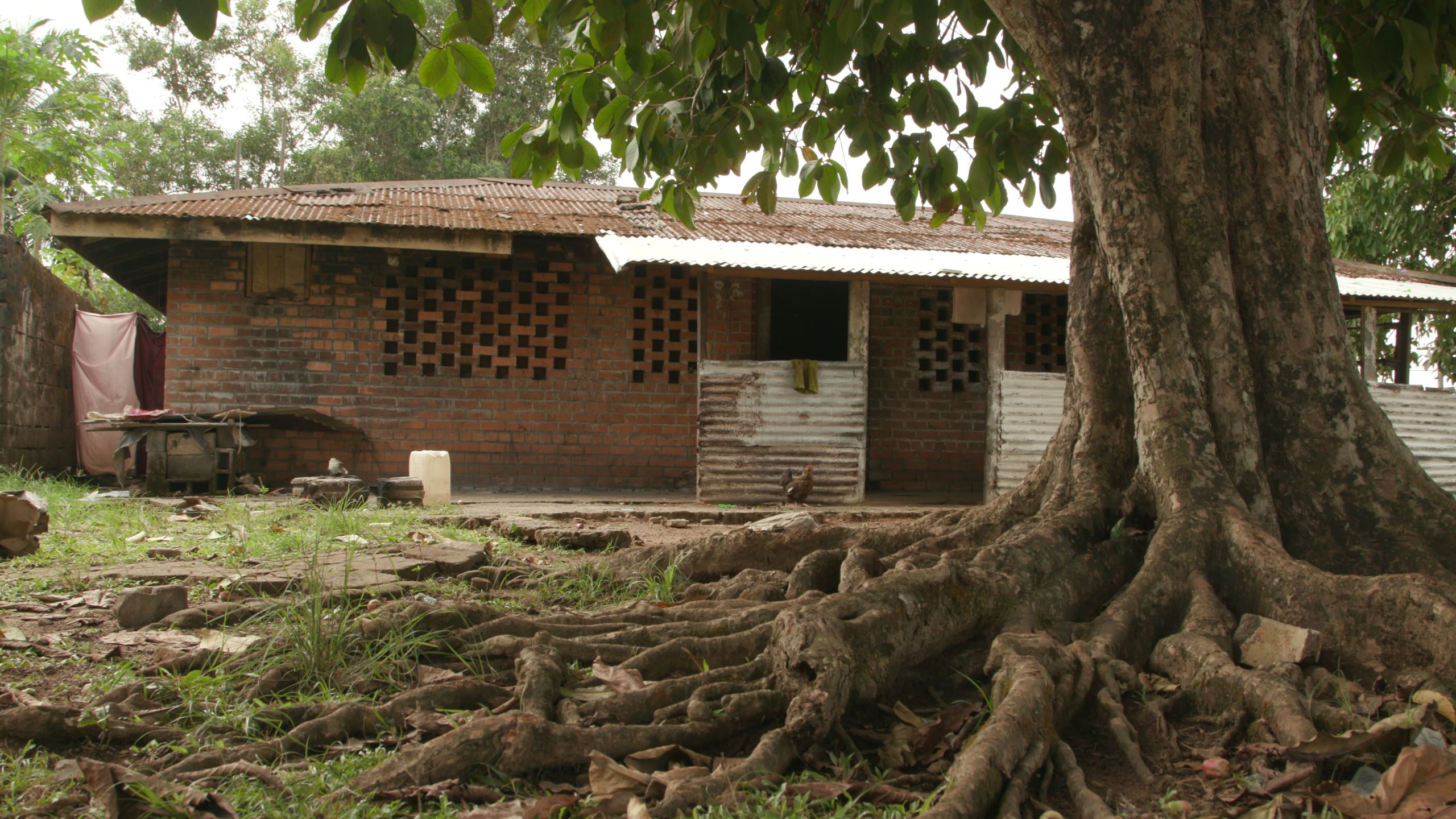
"It was so terrible, no privacy, everything was exposed. You would have to try to carry the placenta past people... It was very embarrassing."
Even now, there's not always enough medicine to treat patients, so Alice buys it with her own money and delivers it to their homes.
"I can't see the patients and not give them the drugs. They won't trust me anymore."
For Alice, it's a sacrifice worth making.
"I feel good when a baby is born, I feel I have done something good. I have brought somebody into this world…"
Alice knows how important her work is, and how to keep her patients safe.
"When you're experienced, you know to look for the danger signs. I have never lost a baby or a mother in White Plains."
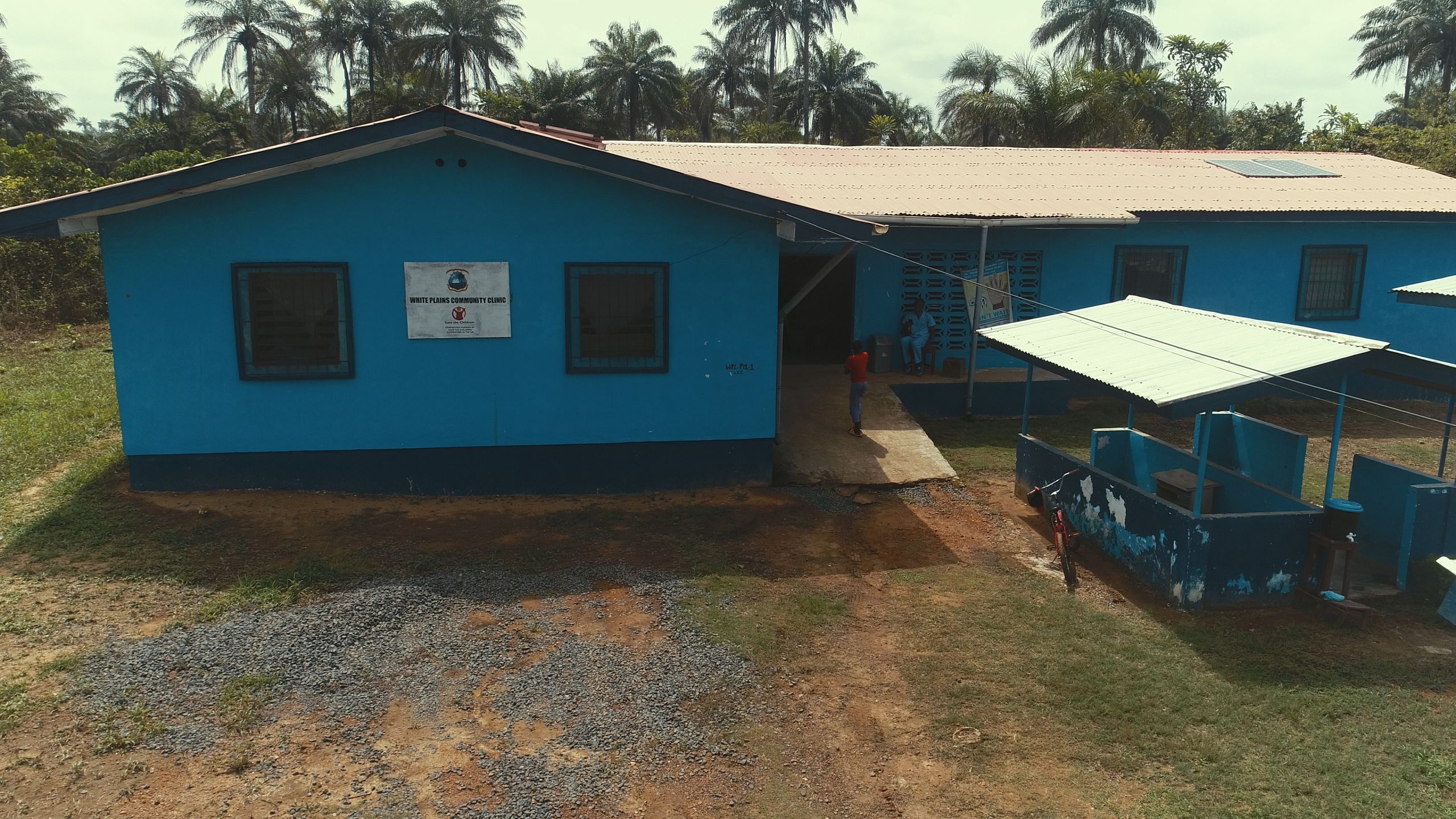
The new clinic is a bright blue building at the top of a gentle slope with several matching outhouses. It serves 8,700 people in 36 communities, playing a vital life-saving role in a country where, in 2016, one in 15 children died before their fifth birthday.
"I was so happy. It was like Christmas... because my colleagues used to walk 1 hour 20 minutes, three times a week, to go and get vaccines."
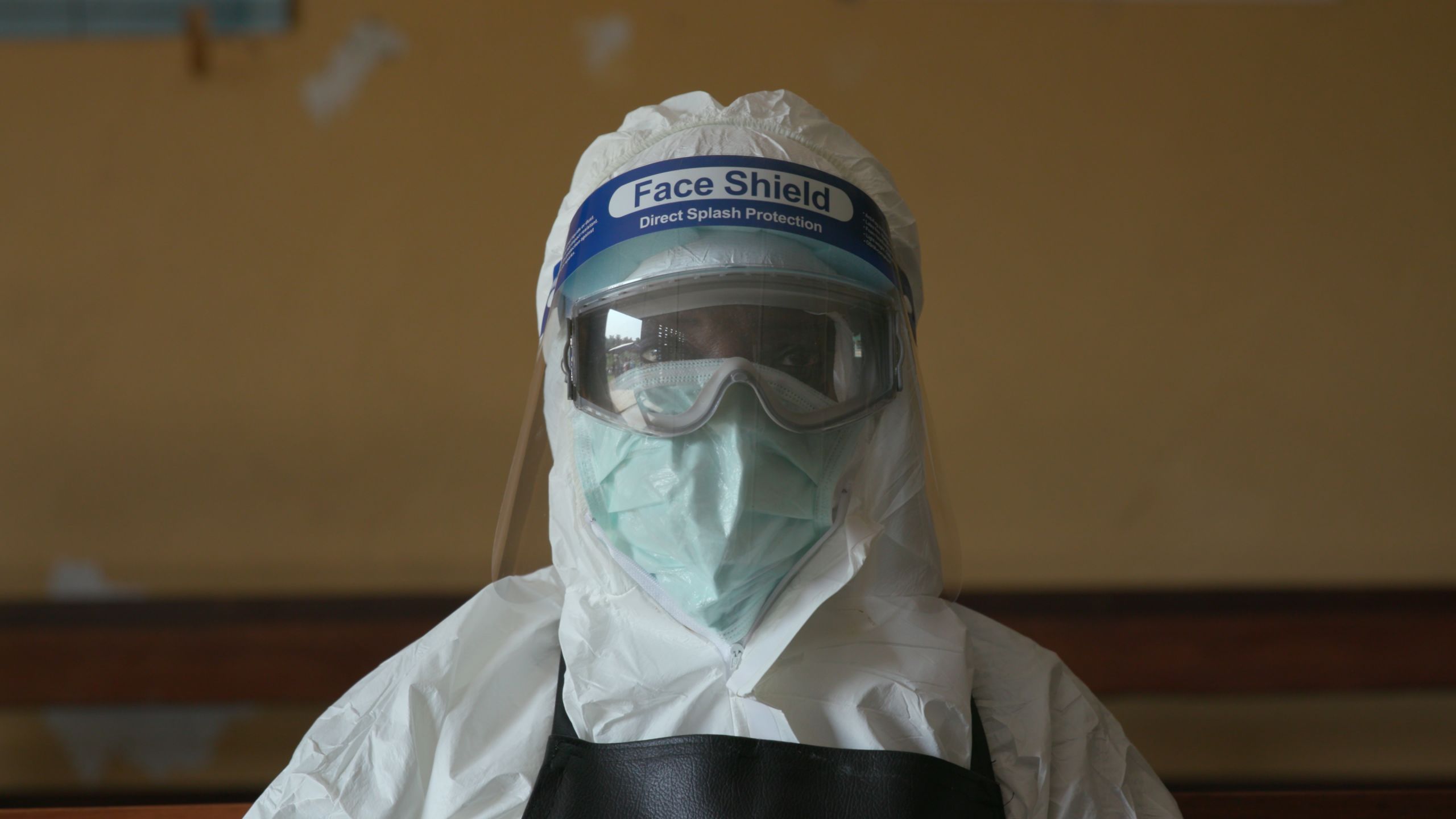
During the Ebola crisis, Alice continued to work, even though it meant she was temporarily ostracised by the community she loved.
"When Ebola came it was terrible. My neighbours were afraid of me. Everybody was afraid of me. But when they got sick, they would come over for my help."
"When I came home from work, I used to tell my children 'don't come too close to me, just stay away from me'. Ebola broke plenty of things."
"Before you could carry on a delivery you had to put on the PPE. When you walked in, people said 'are you going to space?!'"
"When you put it on, your body starts to itch. You sweat in there, and Africa is HOT. But you have to carry on! Oh it was terrible."
"Sometimes we could be wearing it for hours."
"Your patient would come to you, but there was no touching. It used to hurt me. You couldn't even rub your patient's back to encourage her."
"You usually rub your patient's back, play with their hair, give them TLC, but we couldn't do any of that."
The early experiences that shaped Alice
"Whenever my friends got sick, I would carry them to the hospital. My mother said: 'Alice has a passion to go into nursing, so I shall send her to nursing school.' So she did."
When Alice became pregnant aged 18 and had to drop out of medical training, her mum barely spoke to her for months. But after Alice had her son, Romeo, her mum encouraged her to go back to school.
"One staff member always saw me, and she told her colleagues: 'That girl wants to be on this side.' And so they moved me. I was so happy! I started doing deliveries."
Shortly before Alice graduated, Liberia's civil war began. Not yet qualified, she delivered a baby by the side of the road while being threatened by a soldier at gunpoint.
"Life is how you make it. You make it hard, it gets harder. You make it easy, it gets easier. I don't have money, but I have good relationships."
– Alice
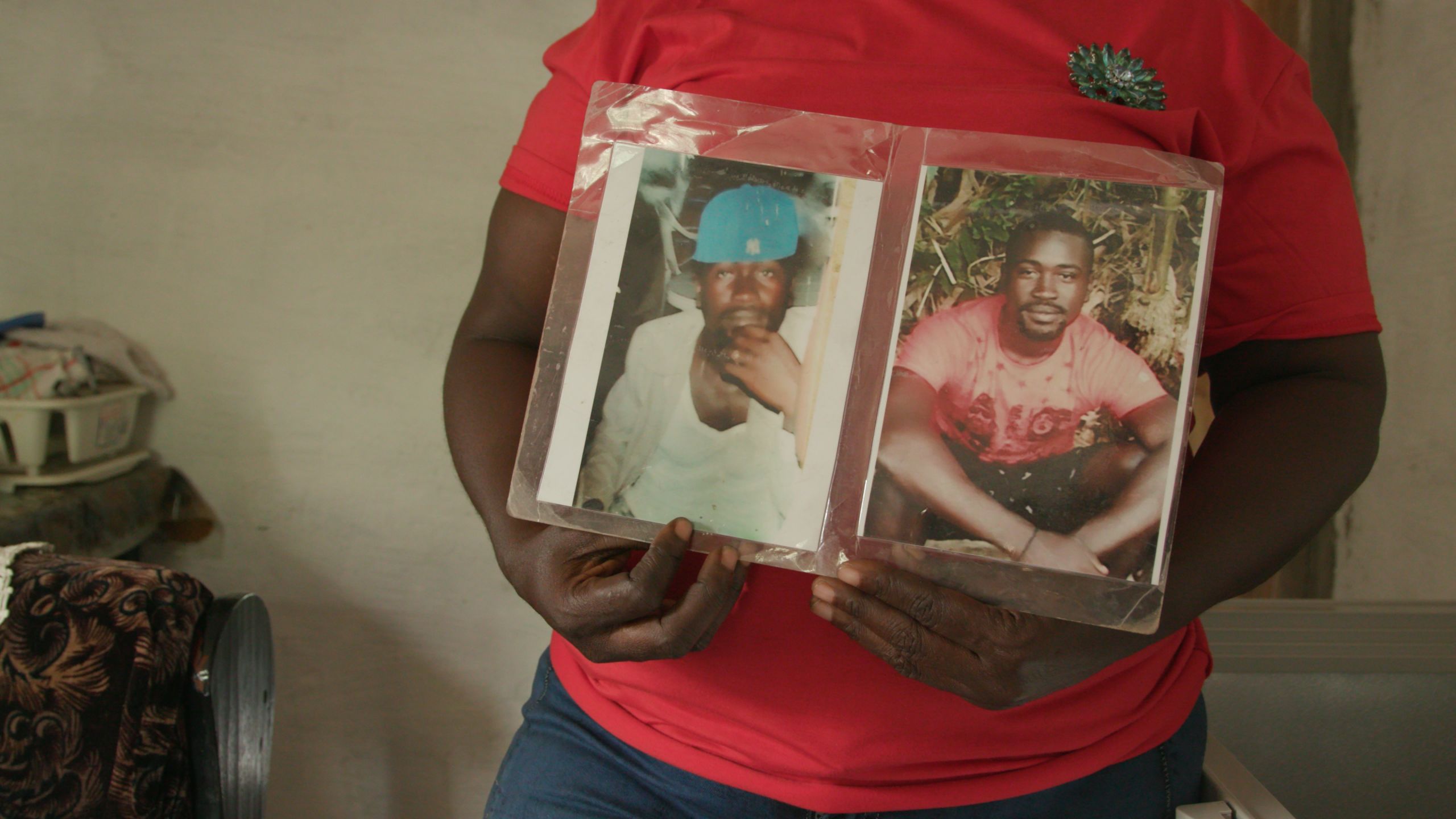
Alice's husband Joe Thomas died suddenly of an illness that resulted in organ failure.
"Even now, I'm still missing him. He was a nice man, amazing."
In 2015, Alice's son Romeo died in a motorbike accident. He was 27.
"I really used to love Romeo. I miss him a whole lot. He gave me some tough times but we were close, we used to talk."
Her mother, Sarah, said: "She went through a lot. But at the same time she was still going to work, with all her strength. Some people would break down. She was still working."
"If I don't do delivery I don't feel good. If I don't play with blood I feel I have done nothing. So it's just part of me."
"I'm the officer in charge now, but I know where I came from. I came from the delivery room… a lot of people rely on me. So if I leave them and work in an office, what will I achieve?"
For Alice, being a good midwife means building a good relationship with her patients.
"I joke with mothers: 'when you frown your baby will be ugly, so I would like you to smile' – and they give me a smile!"
"She will know that somebody is by her side helping her, in pain with her. She will have that courage, that encouragement to push her baby out. She will be smiling even though the pain will be there."
Count them if you can!
"I call the labour ward 'The Power House' because that is where dignitaries are born, presidents of the nation are born."
"The last time I counted there was 862 Alices. Everywhere Alice, Ellis, Alice. The males are named after me, the females are named after me."
"I would go to the market, I would hear somebody say 'Alice come!'. Alices were all over the place!"
"It's my gift to the next generation. I've given in love and I've given in name."